How Are You Really? A Talk With A Psychiatrist!
- Healtheneo

- Jul 16, 2020
- 6 min read
Updated: Aug 1, 2020
Mental health is so easily overlooked. To think that whenever a person brings their feelings up to their friends and relatives, an "it's okay!” or “don’t think about it too much!” would often come up is frustrating. There is not much thought put in the person's state when replies like these are thrown out there.
Let us all remind ourselves to be mindful of other people's feelings, to never invalidate someone's experiences, and to always be equipped with proper information regarding mental health so we are able to talk about it more openly and intelligently.
If we all become mental health advocates, we open up the doors for people who seek professional treatment.

Photo from Unsplash
This article serves as an aid to those who are still in the dark in terms of handling his or her own mental health. Here you will find tips on how to properly manage it, where to find strength to be more open about it, what number to call, and where to seek help, especially in the middle of this pandemic.
To give us a more in-depth and professional perspective regarding this, the team interviewed Dr. Ronaldo G. Elepaño III, MD Adult Psychiatry, Consultation-Liaison Psychiatry and Occupational Medicine.

1. What would be your advice for people who are experiencing mental illness but are either in denial that they are suffering from one, or they are too intimidated by the idea of seeing a therapist or getting a diagnosis?
For one, I think they have to know what matters to them.
Our campaign in the Philippines Psychiatric Association is that there’s no health without mental health. There is almost the assumption that mental health has to take a back seat because it’s not going to kill you. This is why the World Health Organization has prioritized mental illness because they found out that outcomes of any physical problems, physical diseases, medical conditions are worse if you are suffering from any mental disorder.
Now, those also with mental disorders are exposed to having medical conditions. So the idea here is if you go on an annual physical or executive checkup, why not also get a mental health check.
In my job, I see less patients who have a certain level of stigma about mental illness because my patients have challenging cases, such as HIV -- which is already stigmatized and then you add on the layer of mental illness.
It’s a matter of talking about it, that it’s okay to not be okay and to not be judgmental about this. The promise of mental health treatment or management is the earlier you treat it, the more likely the outcome will be better.

Photo from Unsplash
The stigma of mental illness has long been about mental health facilities or treatment approaches that have shifted from an institutionalized type of treatment – such as mental hospitals to the institutionalized treatment in which is what I want to share.
Based on a 2007 World Health Organization report, where they looked at the mental health rates of patients being treated in various mental health facilities, the majority of those were treated in the outpatient. You now see less people institutionalized or in a mental hospital. We can never know if the person next to you has a mental illness, that's how good the treatment is.
Read the full report here: Mental Health System in the Philippines
If you're worried that people will judge you for being treated, it is important to know that 1 out of 4 Filipinos suffer from a mental condition, so I don't think it should be a concern for anybody right now because the treatment is so much better.
If we all become mental health advocates, we open up the doors for people who seek professional treatment.
There are a lot of people out there who are experiencing mental illnesses but do not have access to treatments such as seeing a therapist or getting a proper diagnosis. What are some of the resources or steps that you would recommend for them to take?
I would always say that I would still default to professional aid.
The Department of Health, in cooperation with the World Health Organization, has come up with a program called MHGap or Mental Health Gap, which address the lack of resources, admittedly, of psychiatric services, which is concentrated in the National Capital Region. On top of that, the total number of psychiatrists in the Philippines 596 and 223 of them are in the National Capital Region, and not everybody is able to practice the way you see the outpatients for 15 minute blocks.
For me, for instance, I see patients per hour. There’s also a limit to the number of patients that I see, so there's that big disparity. There are also the financial constraints for some. It's the access to care, and then also the ability to get there by virtue of finances.
Mental Health Gap has somewhat provided the opportunity for anybody who has difficulty accessing specialists. They are thought to manage schizophrenia, alcoholism, and suicide and depression, to a certain extent, but long-term wise, patients can get better because of treatment and medication. There's no excuse for them to not get treated. It's a matter of them finding a facility or access to care.
Read more about the Philippines' MHGap here.
Know more about WHO's MHGap here.
Locally we have free services but we don't recommend free services. The idea here is to be responsible for your own mental well-being, so even if they charge, they will only charge a small amount in order for you to have that sense of control and responsibility. However, we don’t really recommend these services. The idea here is to be responsible for your own mental well-being, so even if they charge, they will only charge a small amount in order for you to have that sense of control and responsibility.
We have an outpatient clinic in Medical City, where the charges and cost are very low or it's also socialized.

Photo grabbed from Medical City Psychiatry Department's Facebook page
Visit Medical City Psychiatric Department's Facebook page for more updates on seminars and talks online: sessions are called MHTalks.
Almost all psychiatric institutions have outpatient clinics, such as the National Center for Mental Health, located in PGH. There are very cost effective means and measures for them to do so, which makes cost not the issue. The issue now is for them to connect with these facilities, so if any hospital has psychiatry training or psychiatric services, they should be able to provide socialized care for patients who are in need of mental health care.

Photo from Unsplash
2. Ever since the new normal started, most people are choosing to stay in their homes due to the fear of contracting the virus, which makes going to crowded places such as hospitals harder nowadays. Are there any resources that are accessible to everyone, like online consultation or online therapy sessions?
So there is a DOH list available but I'd like to share our Medical City outpatient clinic. The residents will see the patients virtually so they have set up a virtual clinic also, almost all offering institutions now have a virtual platform.
For more information, you may get in touch through the following:
Landline: 8988-1000 loc 6135
Mobile: 0917-635-0197
Email: cbh@themedicalcity.com
I am also affiliated with HopeLine Philippines. My tasks are training the responders and debriefing them, so they can improve on their skills.

Photo grabbed from Hopeline Philippines' Facebook page
Visit Hopeline Philippines' Facebook page for more tips on how to keep your mental state balanced and healthy.
This was the original suicide hotline in the Philippines, where, if you are in crisis, you can call this number. This is also our resource hotline. When you call this hotline, they will debrief you and give you referrals to where you can access nearby mental health services.
Now the other thing I'd like to share with you are these two mental health virtual platforms. These are tele-mental health clinics. One of them is Mindcare Club, where I’m also affiliated. I hold virtual clinics also with Mindcare Club.


Photos grabbed from Mindcare Club's website.
Visit Mindcare Club's website. Appointment bookings are available on their site.
The other one would be RecoveryHub Philippines. These two are the more popular mental-health specific platforms. Of course there are other platforms available to you, where other psychiatrists have signed up for but these two are specifically clinic or psychiatrist.
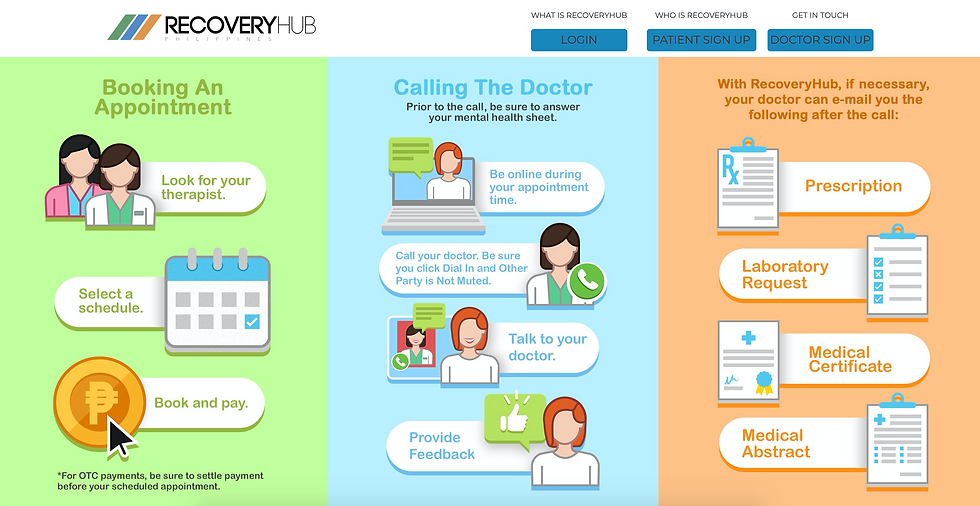
Photo grabbed from Recovery Hub's website.
Visit Recovery Hub's website. Patient sign up is available on their site.
Visit Recovery Hub's Facebook page here.
A note from the Healtheneo team:
If you are experiencing a mental illness, please do not hesitate to reach out for help. You are not alone in this fight. People will always be here to help you, so do not be afraid. Together, mental illness can be addressed, one person at a time.
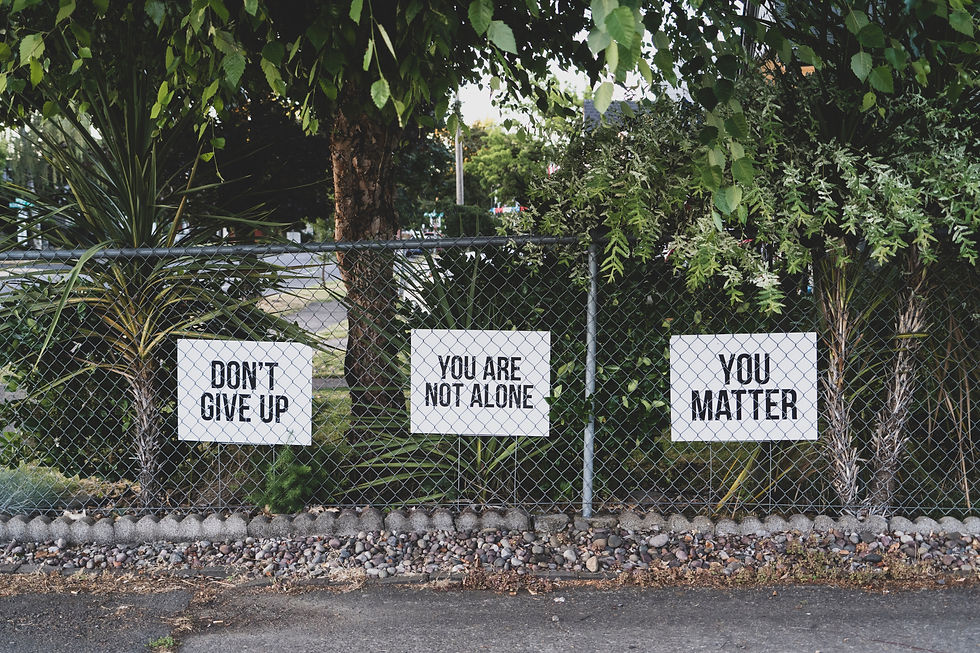
Photo from Unsplash
Note: Special thanks to Dr. Ronald for giving us his time, coming fully prepared, and sharing valuable information. We have learned a lot from this interview. Thank you so much, Doc!
All the links on this article:
Philippines Pyschiatric Association:
Website
2007 WHO Report:
MHGap:
Medical City Psychaitric Department:
For more information, you may get in touch through the following:
Landline: 8988-1000 loc 6135
Mobile: 0917-635-0197
Email: cbh@themedicalcity.com
National Center for Mental Health:
Website
Hopeline Philippines:
Mindcare Club:
Recovery Hub:


Thank you for talking about this!